
The Thrill of Risk-Taking
High-stakes casino games attract players through the exhilarating allure of risk. The prospect of winning substantial amounts of money can trigger a rush of adrenaline, making individuals more likely to engage in risky behavior. This excitement, fueled by the potential for financial gain, can create a sense of euphoria that keeps players returning for more. The psychology of risk-taking is deeply rooted in the brain’s reward systems, where dopamine is released in anticipation of a win, creating a cycle of behavior that is hard to resist. Many players are now turning to new sweepstakes casinos to experience this adrenaline rush.

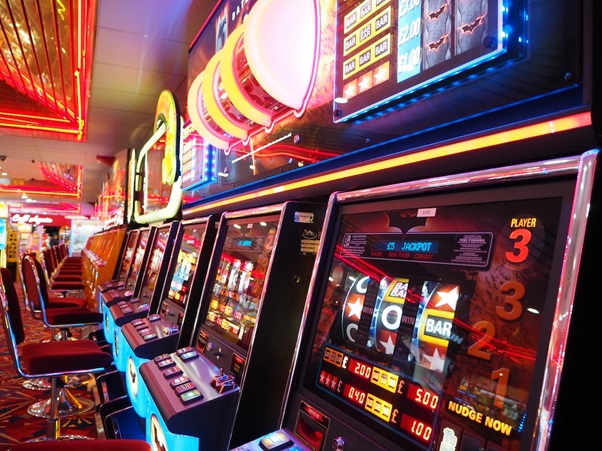
Moreover, players often become enamored with the atmosphere of high-stakes environments. The lights, sounds, and social interactions within casinos heighten the sensory experience, further driving the desire to engage in these games. As players immerse themselves in this captivating environment, the distinction between rational decision-making and impulsive behavior often blurs, making high-stakes games even more appealing despite their inherent risks.
Cognitive Biases and Decision Making
The psychology behind high-stakes casino games is also influenced by cognitive biases that affect how players perceive chances of winning. One common bias is the illusion of control, where players believe they can influence the outcome of games that are fundamentally based on chance. This belief can lead to increased betting and a tendency to chase losses, as players hold onto the hope that their next bet will turn things around.
Additionally, the gambler’s fallacy plays a significant role in decision-making at casinos. This bias leads players to assume that past outcomes will influence future results, resulting in flawed reasoning. For instance, a player might believe that a slot machine is “due” for a payout after a streak of losses. These cognitive distortions can adversely affect financial decision-making, often leading to heavier losses for players who become trapped in these thought patterns.
The Influence of Emotions
Emotions play a crucial role in the psychology of high-stakes gambling. Players often experience a rollercoaster of feelings that can significantly affect their gaming decisions. When on a winning streak, excitement may fuel overconfidence, pushing players to wager more than they typically would. Conversely, losing streaks may lead to frustration and desperation, driving players to increase their bets in hopes of recouping their losses.
Moreover, emotional states can trigger impulsive decisions. High-stakes environments are often designed to keep players engaged by stimulating emotions like excitement and tension. As a result, players may find themselves making uncharacteristic choices, leading to financial peril. Understanding the interplay between emotions and gambling behavior is essential for both players and casinos, as it affects game design and marketing strategies.
The Social Aspect of Gambling
High-stakes casino games are not just about individual play; they also involve social dynamics that enhance the gaming experience. The communal aspect of gambling fosters a sense of belonging among players, who often share stories and strategies with one another. This social interaction can amplify the thrill of the game, making players more likely to participate in higher-stakes situations.
Additionally, peer pressure can influence decision-making in social gambling settings. Players may feel compelled to raise their bets or participate in games of chance to fit in with a group. This social influence can lead to behavior that prioritizes social acceptance over personal risk assessment, further embedding players into the high-stakes gaming culture.
Understanding Online Gaming Security
As high-stakes casino games continue to thrive both in physical venues and online platforms, the importance of security measures becomes increasingly relevant. Sites that host these games often prioritize user safety to protect players from unauthorized access and online threats. They implement security protocols that ensure a safe and secure gaming experience, which can help build trust among users.
In this digital age, understanding the psychological aspects of gambling is paramount for both players and casino operators. By recognizing the interplay of emotions, cognitive biases, and social influences, online casinos can better tailor their security measures and ensure a responsible gaming environment. Visitors to these sites can feel secure knowing that their safety and privacy are prioritized, while also being informed about how to navigate access issues should they arise.